

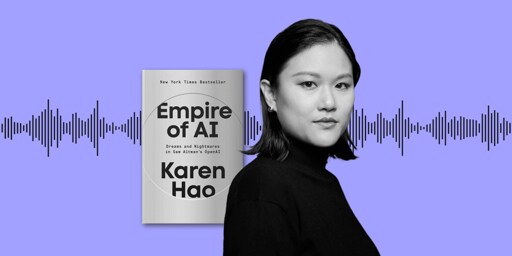
AFTER OPENAI CEO Sam Altman launched ChatGPT in 2022, the race for dominance in the field of artificial intelligence hit warp speed. Silicon Valley has poured billions of dollars into developing AI, building data centers, and promising a future free from the chains of unfulfilling work across the globe.
But in “Empire of AI: Dreams and Nightmares in Sam Altman’s OpenAI,” tech reporter Karen Hao pulls back the curtain, unveiling the human and environmental cost of artificial intelligence and the colonial ambitions undergirding Silicon Valley’s efforts to fuel the rise of AI.
“The speed at which they’re constructing the infrastructure for training and deploying their AI models” is what shocks Hao the most, as “this infrastructure is actually not technically necessary, and … somehow the companies have effectively convinced the public and governments that it is. And therefore there’s been a lot of complicity in allowing these companies to continue building these projects.”
“They have effectively been able to use this narrative of [artificial general intelligence] to accrue more capital, land, energy, water, data. They’ve been able to accrue more resources — and critical resources — than pretty much anyone in history,” Hao says, warning of “the complete aggressive and reckless” growth of AI infrastructure, but stresses that none of this is inevitable. “There is a very clear path for how to unlock the benefits of AI without accepting the colossal cost of it.”
People using useful technology is inevitable. Most current applications of machine learning are less useful and less efficient than what we had before. The whole thing is a grift to acquire actual resources that are useful like computer parts, land, and other types of capital. Rich people that actually believe in the fantastical promises are the marks