Realistically we should be taxing by weight and miles driven as the former causes the most damage to the roads. At that point the propulsion type and efficiency don’t really matter. EVs actually would be taxed more given that they’re heavier, but it’d also proportionately tax trucks and larger vehicles correctly at that point.
You could easily implement it with a yearly odometer reading with your registration or inspection and every car has a GVWR registered with it.
How about just metering charging infrastructure and taxing by the kilowatt hr? Power consumed is directly proportional to the weight, distance, and rate of travel. A simple mandate that all home charging stations have to have a wireless or remote-readable meter attached, and all public fast-chargers are taxed by KWh. Easy, simple, and nearly frictionless.
If you watch that “Technology Connections” video that keeps going around Lemmy, you should not waste your money on a home charging station
technically you can charge at a standard outlet. It works for some people
I also have adapters for tool outlets, dryer outlets, rv outlets (a dryer outlet could charge as quickly as the charging stations where I work)
A home charging station is just a convenience. A really nice convenience that I highly recommend, but unnecessary
Power consumed is directly proportional to the weight, distance, and rate of travel
And if we’re trying to be fair, that’s really not true either. There’s a wide range of efficiencies for different vehicles. On the extreme end, if Aptera succeeds, those drivers would pay nothing. More importantly, this also gives them another opportunity to charge unfairly to defend ICE vehicles
Simple weight and miles, regardless of technology and efficiency, and recorded at annual inspection or purchase/sale - ideally also keep the gas tax to help pay for its impact on the environment
As far as the variety of efficiencies, I don’t see that as a downside. That just incentivizes higher efficiency systems if you assume the median efficiency for tax purposes.
That said you do make a valid point about non-standard charging set ups. I’m not entirely opposed to the odometer method, I just find most proposals for implementing it a barrier to adoption.
It’s already illegal to modify the odometer and many states have annual safety inspections where they could record such things
The strongest arguments against smreridinf the odometer are surveillance and safety react, but if you’re only recording it once a year or when sold, then you’re not losing privacy
See, annual inspections make it to visible. You get the bill for your road taxes all in one hit when you take your car in for maintenance, people are going to go a) Lose their minds at the price tag, b) Hit up black market solutions to “fix” their numbers. Being illegal is only a deterrence for getting caught breaking the law.
There’s already the risk of fraudulent inspections, possibly more of an incentive. A failed inspection could result in very expensive repairs, giving a customer lots of incentive to offer a bribe.
In addition to enforcement efforts, supposedly a loss of income is a significant incentive for a garage to stay legit. Each inspection may not cost much but it’s a regular stream of guaranteed income that shops do not want to lose
There’s downsides to most solutions. Over-the-air reporting is another possible answer, but then you get into massive risks to privacy and data harvesting. It’s easier to mandate trickle chargers have Over-The-Air reporting than to have the car do it. Logistically there’s going to be complications no matter how you assess the taxes.
Continuous or short term reporting is a privacy issue. It can go a long way toward monitoring where someone is going all the time. Definitely something to be avoided.
While the trickle charging idea might sound good, there is no requirement to use a charger and many people do not. This seems like the biggest gap of any option. And even with public chargers, the infrastructure act charger funding included provisions that you can pay with cash, no account required. Those chargers would intentionally not have a way to track.
Reporting at annual inspection
uses a mechanism that already exists (in most states)
is not a privacy concern (an annual total gives no info about where you’ve been)
already has incentives against cheating
even if you cut your taxes with fraudulent reporting, it just makes next years even bigger, or will come out when you try to sell


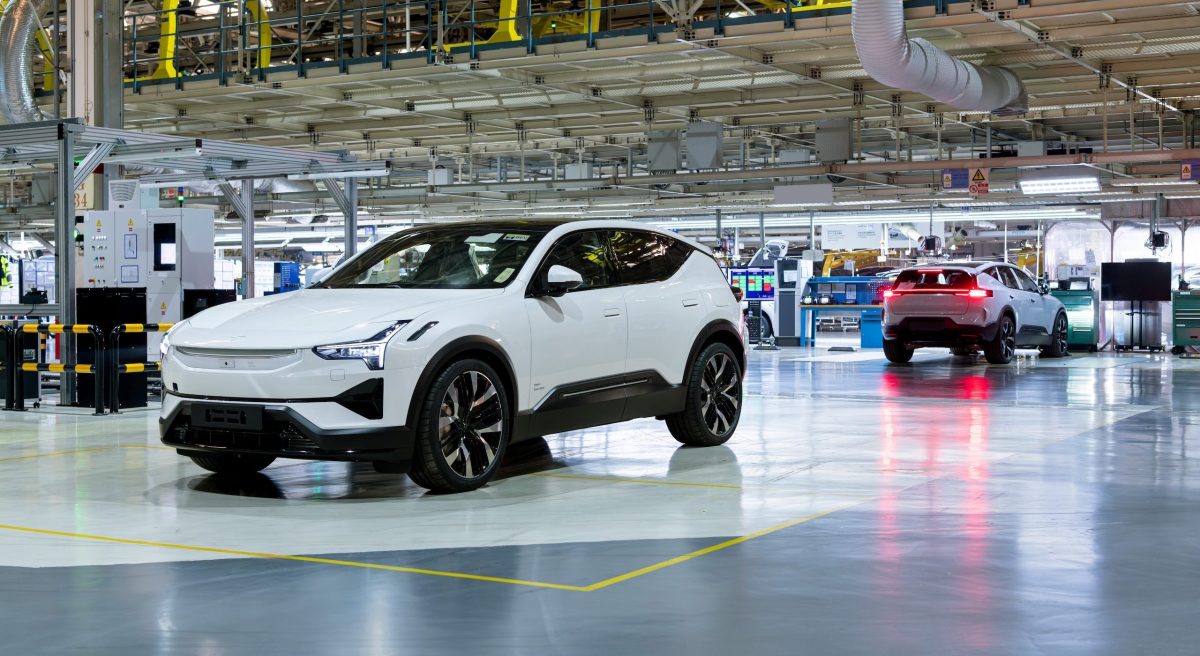
Realistically we should be taxing by weight and miles driven as the former causes the most damage to the roads. At that point the propulsion type and efficiency don’t really matter. EVs actually would be taxed more given that they’re heavier, but it’d also proportionately tax trucks and larger vehicles correctly at that point.
You could easily implement it with a yearly odometer reading with your registration or inspection and every car has a GVWR registered with it.
Yes that would be fair, but IMO there should be an environment tax on gas.
How about just metering charging infrastructure and taxing by the kilowatt hr? Power consumed is directly proportional to the weight, distance, and rate of travel. A simple mandate that all home charging stations have to have a wireless or remote-readable meter attached, and all public fast-chargers are taxed by KWh. Easy, simple, and nearly frictionless.
No, that doesn’t work. You can charge anywhere.
If you watch that “Technology Connections” video that keeps going around Lemmy, you should not waste your money on a home charging station
A home charging station is just a convenience. A really nice convenience that I highly recommend, but unnecessary
And if we’re trying to be fair, that’s really not true either. There’s a wide range of efficiencies for different vehicles. On the extreme end, if Aptera succeeds, those drivers would pay nothing. More importantly, this also gives them another opportunity to charge unfairly to defend ICE vehicles
Simple weight and miles, regardless of technology and efficiency, and recorded at annual inspection or purchase/sale - ideally also keep the gas tax to help pay for its impact on the environment
As far as the variety of efficiencies, I don’t see that as a downside. That just incentivizes higher efficiency systems if you assume the median efficiency for tax purposes.
That said you do make a valid point about non-standard charging set ups. I’m not entirely opposed to the odometer method, I just find most proposals for implementing it a barrier to adoption.
It’s already illegal to modify the odometer and many states have annual safety inspections where they could record such things
The strongest arguments against smreridinf the odometer are surveillance and safety react, but if you’re only recording it once a year or when sold, then you’re not losing privacy
See, annual inspections make it to visible. You get the bill for your road taxes all in one hit when you take your car in for maintenance, people are going to go a) Lose their minds at the price tag, b) Hit up black market solutions to “fix” their numbers. Being illegal is only a deterrence for getting caught breaking the law.
There’s already the risk of fraudulent inspections, possibly more of an incentive. A failed inspection could result in very expensive repairs, giving a customer lots of incentive to offer a bribe.
In addition to enforcement efforts, supposedly a loss of income is a significant incentive for a garage to stay legit. Each inspection may not cost much but it’s a regular stream of guaranteed income that shops do not want to lose
There’s downsides to most solutions. Over-the-air reporting is another possible answer, but then you get into massive risks to privacy and data harvesting. It’s easier to mandate trickle chargers have Over-The-Air reporting than to have the car do it. Logistically there’s going to be complications no matter how you assess the taxes.
Continuous or short term reporting is a privacy issue. It can go a long way toward monitoring where someone is going all the time. Definitely something to be avoided.
While the trickle charging idea might sound good, there is no requirement to use a charger and many people do not. This seems like the biggest gap of any option. And even with public chargers, the infrastructure act charger funding included provisions that you can pay with cash, no account required. Those chargers would intentionally not have a way to track.
Reporting at annual inspection
…vehicle registration taxes should be based upon ton-miles driven and speed limits should be based upon kinetic energy…