Having done a lot of scanning in the past, no matter how gentle you are, the book will be damaged; at least a little bit. Even if you do it manually, by hand, really slowly.
It’s the unfortunate reality, because books are not designed to be held open and pressed flat onto an unyielding surface. If you don’t press flat, you’ll get curved pages and bad quality (dark) images, which is sometimes ok and fixable by software, but often not. You can get really fancy expensive machines, but they still don’t fully solve the problem.
I did scanlation editing stuff for a while, and half my job was making the raw page scans look presentable, because the scanners didn’t want to destroy their manga (understandable).


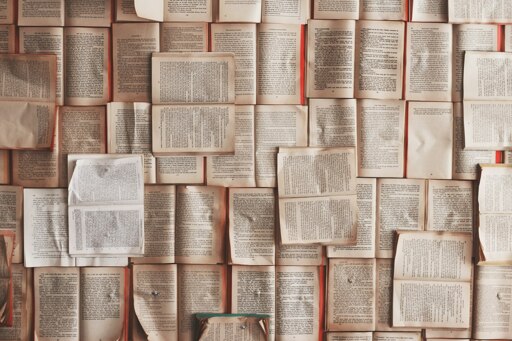
in this case they often are actually destroying them. they take them apart, beause it’s easier to scan than to use a proper book scanner
Yeah that’s true of Google as well I believe. I think Archive is more careful, but I’m sure some books get damaged in the process there as well.
Having done a lot of scanning in the past, no matter how gentle you are, the book will be damaged; at least a little bit. Even if you do it manually, by hand, really slowly.
It’s the unfortunate reality, because books are not designed to be held open and pressed flat onto an unyielding surface. If you don’t press flat, you’ll get curved pages and bad quality (dark) images, which is sometimes ok and fixable by software, but often not. You can get really fancy expensive machines, but they still don’t fully solve the problem.
I did scanlation editing stuff for a while, and half my job was making the raw page scans look presentable, because the scanners didn’t want to destroy their manga (understandable).
https://en.wikipedia.org/wiki/Book_scanning#Methods