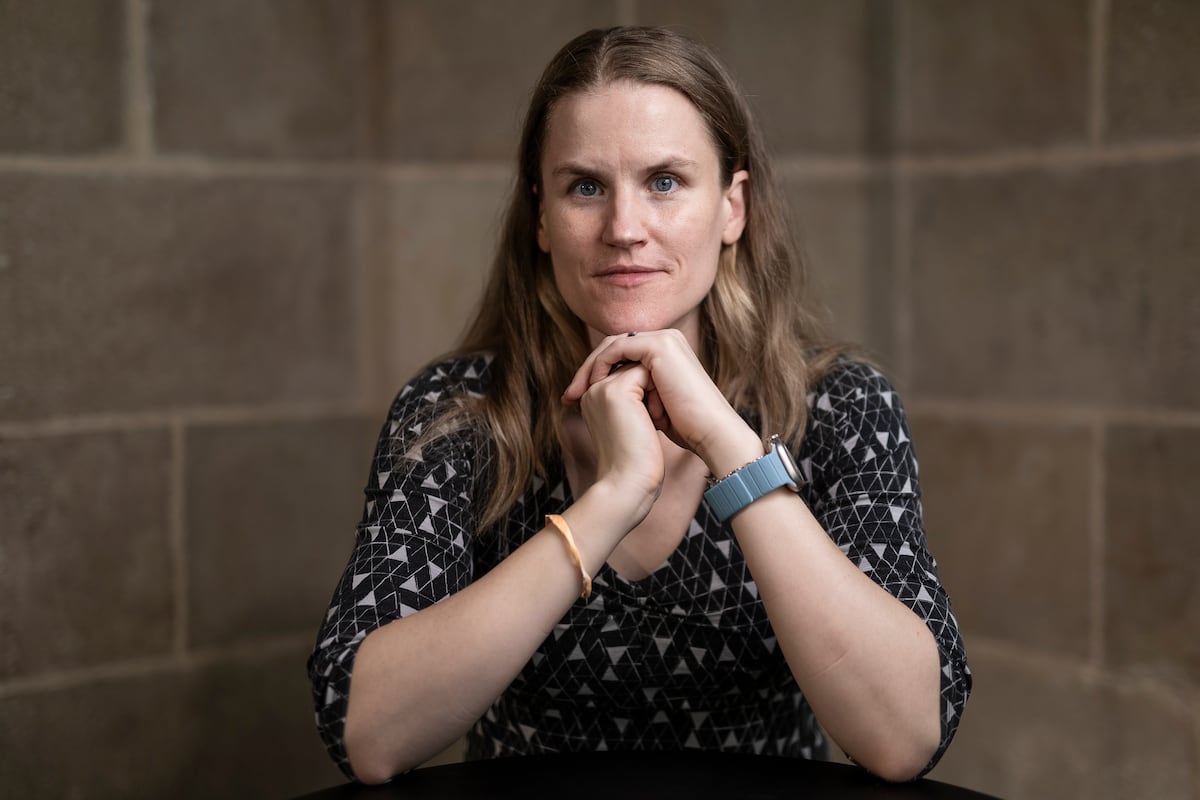
The whistleblower who exposed social media’s dangers to teenagers says the next major legal battle will be against the AI friends that minors interact with
And the solution to that is to scrub the metadata and introduce some light content fuzzing (to avoid variable keyword/phrasing inclusion traps that can be used for narrowing down leak investigations).
Like, yeah, there are hazards to doing an exfil dump like that, but if you know what you’re doing and understand the threat vectors that are likely going to be employed against you, you can cover your bases reasonably thoroughly - especially if you have a homelab with local ML/LLM capabilities that you can use (and, well, know how to use) to obscure/modify the precise phrasing of things such that it becomes way harder to attribute the leak source.
And, I’m not saying “chuck it into your local model and cross your fingers” - it would be an element of the sanitization pipeline. If you are so inclined to do this sort of thing, you should absolutely do as much manual and deterministic verification and sanitizing that you can.
It goes without saying that this is all at your own risk. But if you think it’s worth it, there are ways it can be done.


And the solution to that is to scrub the metadata and introduce some light content fuzzing (to avoid variable keyword/phrasing inclusion traps that can be used for narrowing down leak investigations).
Like, yeah, there are hazards to doing an exfil dump like that, but if you know what you’re doing and understand the threat vectors that are likely going to be employed against you, you can cover your bases reasonably thoroughly - especially if you have a homelab with local ML/LLM capabilities that you can use (and, well, know how to use) to obscure/modify the precise phrasing of things such that it becomes way harder to attribute the leak source.
And, I’m not saying “chuck it into your local model and cross your fingers” - it would be an element of the sanitization pipeline. If you are so inclined to do this sort of thing, you should absolutely do as much manual and deterministic verification and sanitizing that you can.
It goes without saying that this is all at your own risk. But if you think it’s worth it, there are ways it can be done.