The big problem is Linus decides to pretend to be some “average user” when he isn’t one, and therefore ends up making absolutely bonkers decisions. It was super obvious in the last video because Linus was the only one participating who had major issues, and the only one participating who pretended to know nothing.
If they actually wanted to give Linux an honest shot and see if they can replace windows on one or more of their computers, the format would be entirely different. I think the format would probably start with a Q&A session with a well known Linux YouTuber like Wendel (who they still appear to have a good working relationship with) where they get the initial “here’s what you need to know and what I recommend for the best experience right now” then a check in call after 24 hours, 72 hours, 1 week and 2 weeks where they touch base, discuss pain points and how to alleviate them. Such a format would give an easy transition as well as great advise for the audience, but still present plenty of opportunity to directly see real world pain points and rough edges but instead of those rough edges being “haha Linux bad” they can instead be “here’s how to overcome them” or “this is an area that needs some developer time, anyone want to dive into improving this?” And maybe if they were really feeling crazy they could offer up some bug bounties for the pain points they find! Because that’s the power of open source is if you have the knowhow you can go in and fix it!
I honestly suspect Linus just doesn’t want to change, and that’s why he keeps failing to actually give Linux a shot. This might be an unpopular opinion here but it’s okay if he doesn’t want to change, but he should not be trying to tear down the Linux community for content in the process
I think this perspective is insane. They should absolutely not approached switching to linux by leveraging expert linux advice through their youtube contacts. Its fine for Linus to have issues switching to linux, most people do and the video wasnt just Linus having issues it was also Luke and Elijah having a good experience. When it comes to switching to linux Linus is an average user, he doesnt know about the system and is going in with little experience. LTT has gotten these pain points fixed and their video did not come off as “haha linux bad” did you watch it?
As a linux user I want linux to be an approachable thing, I would be pissed if it was presented as a thing that required expert consultation from wendel.
I would be pissed if it was presented as a thing that required expert consultation from wendel.
The thing is, such consultation is also providing the same information to the audience, so its not just for Linus, Luke and Elijah. If you’re diving in without the last 10-30 years of background knowledge of what’s broken, what’s been forked, which forks are worth running, which organizations are in chaos and which keep quietly pushing good code, having someone give you a quick rundown of “here, you’ll want to run this or this distro, use this software for XYZ and right now its best to run games this way, oh and this launcher/game is completely broken on Linux so skip it for now” skips a lot of the friction that Linus is subjecting himself to. And any normal person would ask their Linux-user friend, ask in a relevant discord or ask on a relevant subreddit and get roughly the same thing. The collaboration and consultation provides this same information in a video-friendly manner is the main difference.
Do the viewers learn anything useful by seeing Linus experience a problem, spin theories on the spot while troubleshooting, then cut to finding a forum post explaining a possible fix, and Linus tries it possibly fixing it/possibly not? The viewers certainly learn less than if they saw some of that, then got to see a more experienced creator explain what’s going on, what should have happened and how to fix/prevent it moving forwards. The video stops being just watching people flailing and instead becomes “here’s what they did, here’s what they should have done so you now know don’t have to go through the same thing!”
Its a similar concept as any video where LTT has an enterprise vendor help out with the initial configuration or leans on the enterprise support to fix/explain something. Instead of guessing and potentially misleading the audience of millions, they can get a much more accurate solution/explanation in the same video
I don’t know if I agree that Linus’ decision making can be attributed to role playing as an “average user” so much as it being a case of too much experience hindering him. He’s someone who has been interacting with tech for his entire life and has become very proficient at it within his domain of knowledge. He is definitely someone who is used to tossing the user manual aside when he gets a new device and stumbling his way through until he groks it, and he is using that same approach with Linux. This ends up meaning that he just does stuff that should work the way that he’s used to (i.e. follows the Windows paradigm) and then runs into problems because of it. I think that a lot of his issues basically stem from his ego not permitting him to take a step back to re-learn some of the fundamentals, or least map them onto his Windows-focused mental model.
All that said, Linux distros have varying levels of issues and quirks that have to be learned/dealt with, and there’s nothing inherently wrong with pointing those pain points out. Linus just needs to take a step back and realise that he’s going to have to actually learn something if he wants to be successful.


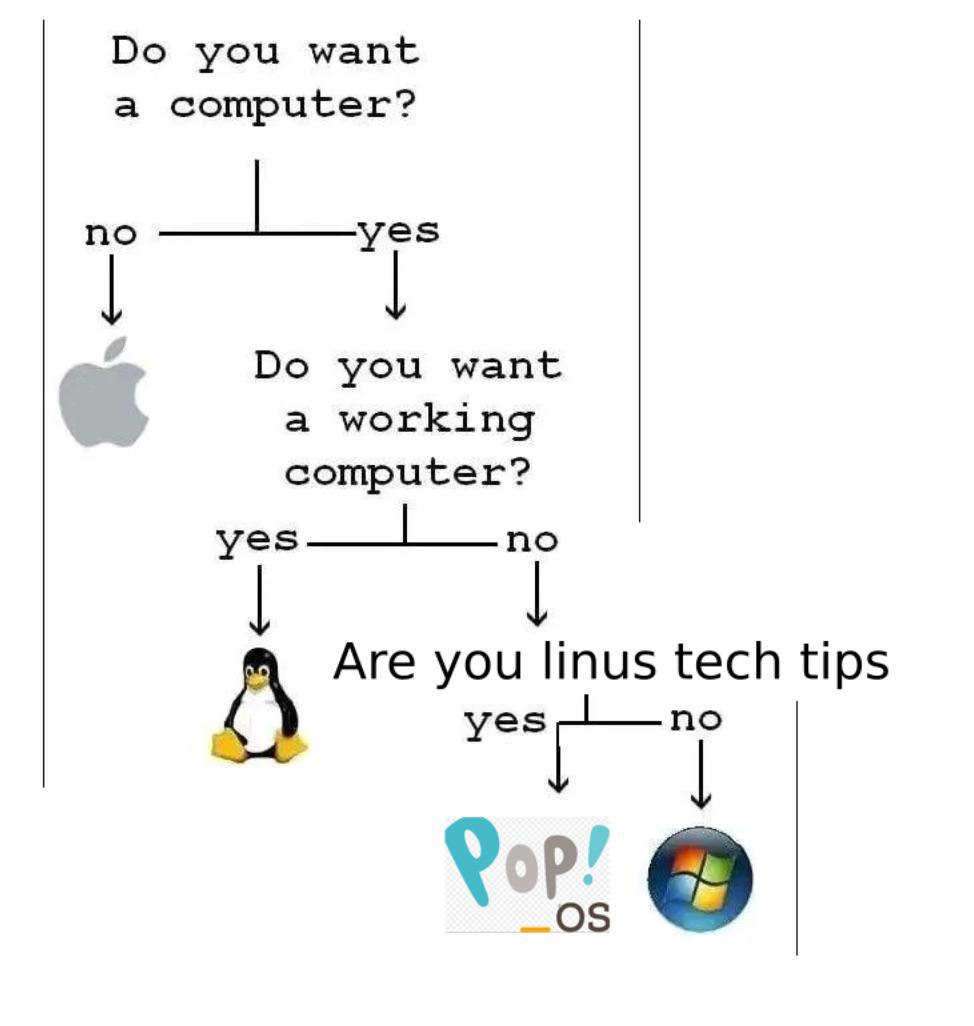
The big problem is Linus decides to pretend to be some “average user” when he isn’t one, and therefore ends up making absolutely bonkers decisions. It was super obvious in the last video because Linus was the only one participating who had major issues, and the only one participating who pretended to know nothing.
If they actually wanted to give Linux an honest shot and see if they can replace windows on one or more of their computers, the format would be entirely different. I think the format would probably start with a Q&A session with a well known Linux YouTuber like Wendel (who they still appear to have a good working relationship with) where they get the initial “here’s what you need to know and what I recommend for the best experience right now” then a check in call after 24 hours, 72 hours, 1 week and 2 weeks where they touch base, discuss pain points and how to alleviate them. Such a format would give an easy transition as well as great advise for the audience, but still present plenty of opportunity to directly see real world pain points and rough edges but instead of those rough edges being “haha Linux bad” they can instead be “here’s how to overcome them” or “this is an area that needs some developer time, anyone want to dive into improving this?” And maybe if they were really feeling crazy they could offer up some bug bounties for the pain points they find! Because that’s the power of open source is if you have the knowhow you can go in and fix it!
I honestly suspect Linus just doesn’t want to change, and that’s why he keeps failing to actually give Linux a shot. This might be an unpopular opinion here but it’s okay if he doesn’t want to change, but he should not be trying to tear down the Linux community for content in the process
I think this perspective is insane. They should absolutely not approached switching to linux by leveraging expert linux advice through their youtube contacts. Its fine for Linus to have issues switching to linux, most people do and the video wasnt just Linus having issues it was also Luke and Elijah having a good experience. When it comes to switching to linux Linus is an average user, he doesnt know about the system and is going in with little experience. LTT has gotten these pain points fixed and their video did not come off as “haha linux bad” did you watch it?
As a linux user I want linux to be an approachable thing, I would be pissed if it was presented as a thing that required expert consultation from wendel.
The thing is, such consultation is also providing the same information to the audience, so its not just for Linus, Luke and Elijah. If you’re diving in without the last 10-30 years of background knowledge of what’s broken, what’s been forked, which forks are worth running, which organizations are in chaos and which keep quietly pushing good code, having someone give you a quick rundown of “here, you’ll want to run this or this distro, use this software for XYZ and right now its best to run games this way, oh and this launcher/game is completely broken on Linux so skip it for now” skips a lot of the friction that Linus is subjecting himself to. And any normal person would ask their Linux-user friend, ask in a relevant discord or ask on a relevant subreddit and get roughly the same thing. The collaboration and consultation provides this same information in a video-friendly manner is the main difference.
Do the viewers learn anything useful by seeing Linus experience a problem, spin theories on the spot while troubleshooting, then cut to finding a forum post explaining a possible fix, and Linus tries it possibly fixing it/possibly not? The viewers certainly learn less than if they saw some of that, then got to see a more experienced creator explain what’s going on, what should have happened and how to fix/prevent it moving forwards. The video stops being just watching people flailing and instead becomes “here’s what they did, here’s what they should have done so you now know don’t have to go through the same thing!”
Its a similar concept as any video where LTT has an enterprise vendor help out with the initial configuration or leans on the enterprise support to fix/explain something. Instead of guessing and potentially misleading the audience of millions, they can get a much more accurate solution/explanation in the same video
What do you mean it’s possible for a multi millionaire ceo with a mansion and a private jet to lose touch and not want to change? Preposterous.
Wait, he has a private jet?
I don’t know if I agree that Linus’ decision making can be attributed to role playing as an “average user” so much as it being a case of too much experience hindering him. He’s someone who has been interacting with tech for his entire life and has become very proficient at it within his domain of knowledge. He is definitely someone who is used to tossing the user manual aside when he gets a new device and stumbling his way through until he groks it, and he is using that same approach with Linux. This ends up meaning that he just does stuff that should work the way that he’s used to (i.e. follows the Windows paradigm) and then runs into problems because of it. I think that a lot of his issues basically stem from his ego not permitting him to take a step back to re-learn some of the fundamentals, or least map them onto his Windows-focused mental model.
All that said, Linux distros have varying levels of issues and quirks that have to be learned/dealt with, and there’s nothing inherently wrong with pointing those pain points out. Linus just needs to take a step back and realise that he’s going to have to actually learn something if he wants to be successful.